The right shooting head fly line can boost reach, accuracy, and loading efficiency in Skagit and long-distance setups. Below are five well-rounded options that emphasize aggressive loading, durable coatings, and reliable floating performance. Each selection offers distinct lengths and weights to match common Skagit heads and running lines, helping anglers optimize power and control across varying conditions.
Summary of Selected Products
| Product | Brand | Head Length | Grain | Coating/Notes |
|---|---|---|---|---|
| Maxcatch Skagit Shooting Head Fly Line 17ft | MAXIMUMCATCH | 17 ft | 200-650 gr range | Aggressive loading; PVC coating for slicker performance |
| Maxcatch Skagit Shooting Head Fly Line 20ft | MAXIMUMCATCH | 20 ft | 200-650 gr range | High-sheen coating; easy shooting in wind |
| Maxcatch Skagit Shooting Head Fly Line 23ft | MAXIMUMCATCH | 23 ft | 200-650 gr range | Extended head for deeper loading |
| Aventik Skagit Plus Shooting Head (23ft, 450/500gr) | Aventik | 23 ft | 450-500 gr | Double‑colored heads; pairs with running line |
| Cortland Shooting/Running Line Fly Line | Cortland | – | – | Dual welded loops, high floating, level line |
Maxcatch Skagit Shooting Head Fly Line 17ft 250gr

Designed for powerful long-distance casting in Skagit setups, this Maxcatch shooting head targets large flies and sinking tips with reduced effort. The head is shorter, enabling a more aggressive Tail-Performance Angle (TPAERR) for deeper, smoother loading and launching even in challenging winds. The PVC coating incorporates a softener to enhance slickness, allowing the line to glide through rod guides and float consistently in both warm and cold water. The result is a line that shoots farther with less resistance, making it a versatile option for anglers pursuing long-range accuracy.
Maxcatch Skagit Shooting Head Fly Line 20ft 300gr
This 20-foot variation extends the same foundational Skagit design with a slightly longer head for deeper loading and longer cast arcs. The shorter overall length compared with traditional full-length lines means less behind-the-back space is required, which can be advantageous in tight casting lanes or tricky wind. The aggressive loading profile helps transfer energy efficiently to large flies and sinking tips, while the line’s coating remains slick across water temperatures to maintain smooth loops and consistent turnover.
Maxcatch Skagit Shooting Head Fly Line 23ft 400gr
Offering a longer 23-foot head and a 400-grain designation, this line expands reach while preserving the quick-loading behavior that Skagit anglers expect. The dual highlights remain—the shorter head relative to standard lines and a robust PVC-softened coating that minimizes friction in guides. The result is reliable shootability in wind and varying water temps, supporting controlled turnover on bigger streamers and heavier sink tips without sacrificing accuracy at longer distances.
Maxcatch Floating Running Line (Front Loop)

This running line complements Skagit shooting heads with a floating profile and a front loop for quick head-to-line connection. The line features a braided core for reduced memory and lower stretch, aiding hook-up consistency, especially in complex retrieves or when casting in windy conditions. The outer PVC coating supports flotation and durability in a range of weather, ensuring dependable line control when performing multi-branch casts across streams and rivers.
Maxcatch Floating Running Line (Orange, Front Loop)
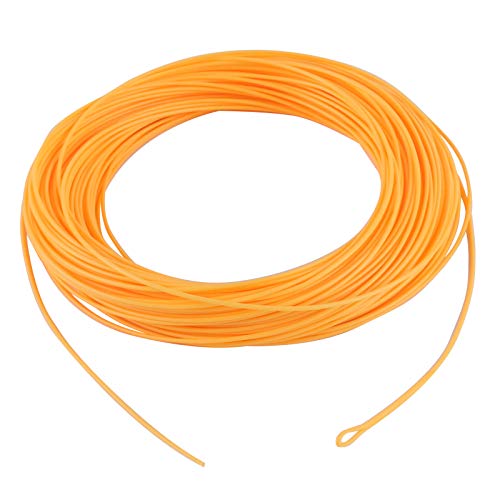
A high-visibility orange variant of Maxcatch’s running line enhances line tracking and shootability in high-glare environments or low-light conditions. Like the lime-green version, it uses a PVC outer coating designed to resist wear while maintaining flotation. The braided core reduces memory, which helps with cleaner releases and more accurate long-range casts when paired with compatible Skagit heads or shooting heads.
Aventik Skagit Plus Shooting Head (23ft, 450gr)

Aventik’s Skagit Plus shooting head emphasizes strand color distinction and compatibility with longer running lines. The 23-foot length at 450 grains offers a balance of long-range capability and quick-loading performance, enabling anglers to push through tougher winds while maintaining consistent turnover on larger flies. The set includes a welded loop for fast rigging and reliable loop strength, making it a straightforward option for Skagit fishers seeking dependable, mid-range power.
Aventik Skagit Plus Shooting Head 23ft 500gr
This 23-foot head at 500 grains provides greater mass for longer casts and deeper loading when presenting larger flies or tips. The double-colored design helps with line tracking and setup visibility on the water, while the welded loop ensures secure, quick connections to running lines. The line is designed to pair with Avendik’s own running lines for a cohesive Skagit system, supporting smoother energy transfer through the rod when throwing heavier casts in marginal conditions.
Cortland Shooting/Running Line Fly Line
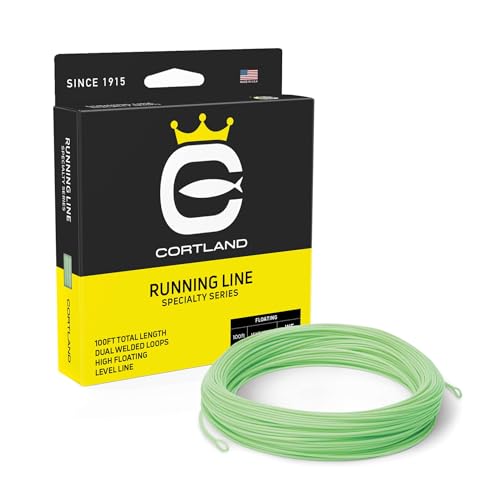
Cortland’s shooting and running line configuration emphasizes dual welded loops, high floating performance, and a level line profile. This setup is well-suited for anglers who prefer a straightforward, predictable line behavior with integrated control for Skagit heads and running lines. The cohesive loop system supports rapid rigging and reduced tangling, making it a practical alternative for anglers seeking reliable performance across varied water conditions.
Buying Guide: Key Purchase Considerations
The right shooting head line depends on your target species, river conditions, and casting style. Consider these dimensions when choosing a line:
- Head length and grain weight: Shorter heads (17–20 ft) excel in tight casting lanes and windier days, while longer heads (23 ft) increase loading for bigger flies and tips. Choose a grain weight that matches your rod’s powers and your typical fishing targets.
- Coating and slickness: A PVC coating with a softener improves glide through guides and reduces friction. Look for lines that maintain flotation across temperature ranges so you can shoot line consistently in warm and cold water.
- Tail loading vs. front loading: Skagit heads are designed for deep, fast loading. A length that supports aggressive loading without requiring a long backcast is beneficial in tight spots or when precise turnover matters.
- Accessories and compatibility: Welded loops at the head or front loop connections facilitate quick rigging with running lines. Ensure the running line is compatible with the shooting head for optimal performance.
- Color and visibility: Distinctive head colors and running-line hues can improve line tracking and line management, especially in whitewater or overcast conditions.
- Durability and weather resilience: Dry/wet performance, abrasion resistance, and overall build quality influence how long the line performs well in the field, especially when finessing larger streamers or heavy sink tips.
When evaluating options, compare the specific weight classes (grains) and the head lengths to determine how they align with your rod, line running setup, and typical fishing scenarios. A balanced pair of head and running line enhances turnover, reduces fatigue, and improves the consistency of your casts across a day on the water.