Finding the right plate carrier weight plates can boost training versatility, whether you’re building strength, increasing cardio intensity, or powering through WODs. This guide highlights five high‑quality options designed to fit most vests and carriers, with a focus on durability, comfortable fit, and consistent performance during lifts, runs, and bodyweight movements. Each option includes key specs and how it pairs with common plate carriers.
Summary of Selected Products
| Product | Common Weights (LB) | Material | Fit Notes | Brand |
|---|---|---|---|---|
| VEVOR Weight Vest Plates (Two sets) | 5.75, 8.75, 14.5, 19.75 | Steel | Fits many vests; two plates per order | VEVOR Store |
| LEKÄRO Steel Weight Plates | 5.51, 8.81, 15.43, 20.94 | Steel | Flat profile; compatible with most carriers | LEKÄRO Store |
| Yes4All Weight Vest Plates | 5.75, 8.75, 14, 19.75 | Steel | 3D curved design for comfort | Yes4All Store |
| VEVOR Weight Vest Plates (Two sets) | 5.75, 8.75, 14.5, 19.75 | Steel | Durable steel with protective packaging | VEVOR Store |
| VEVOR Weight Vest Plates (Two sets) | 14.5 each | Steel | Heavy‑duty plates; high‑weight option | VEVOR Store |
VEVOR Weight Vest Plates Set (Two 8.75 Lb Plates)

Two 8.75 lb weight plates are designed to augment weighted vest workouts. The plates are described as compatible with a range of vest models, enabling progressive overload across sessions. Built from heavy‑duty steel with rounded corners and smooth edges, the plates emphasize durability and a comfortable feel during dynamic movements. Note that the vest itself is sold separately, so users can add weight gradually as needed.
LEKÄRO Steel Weight Plates for Vests
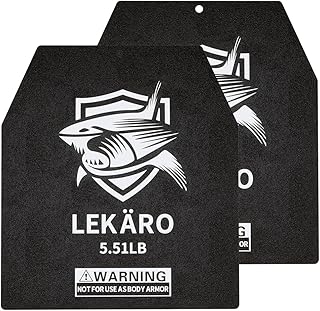
LEKÄRO offers a 4‑pair set with options of 5.51, 8.81, 15.43, and 20.94 lb plates. The design emphasizes a stable, ergonomic fit that stays flush against the body to minimize movement during runs, jumps, and bodyweight exercises. The plates are finished with a rust‑resistant powder coating and are marketed as compatible with most standard carriers. Sold as a pair, though vest not included, enabling scalable loading for functional fitness and cardio sessions.
Yes4All Weight Vest Plates

Yes4All’s plate set includes 5.75, 8.75, 14, and 19.75 lb options with a curved ergonomic design that aims to deliver comfort across extended sessions. The plates are described as compatible with various training vests and carriers, supporting a customized fit for both men and women. The design emphasizes smooth edges and rounded corners to reduce abrasion and help safeguard the vest during endurance efforts.
VEVOR Heavy‑Duty Plate Set (Two 14.5 Lb Plates)
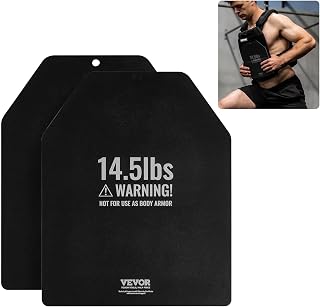
This pair presents two 14.5 lb weight plates intended for heavier training loads. The plates are built with a robust steel composition, rounded corners, and smooth edges. They’re packaged with multiple layers of protection to prevent damage in shipping. Like other VEVOR options, these plates are designed to fit into standard plate carriers or weighted vests, enabling spaced progression from lighter to heavier loads as endurance and strength improve.
Buying Guide: Choosing Plate Carrier Weight Plates
When selecting weight plates for plate carriers or weighted vests, consider these factors to optimize safety and performance:
- Fit and compatibility: Confirm the plate size (commonly 9.8″ x 11″ in many brands) and the pocket dimensions of your vest or carrier. Flat profiles reduce shifting during running and jumping, while curved designs can improve comfort for longer sessions.
- Material and durability: Steel plates with powder coatings resist rust and dings, essential for frequent use and transport. Look for plates that are clearly packaged to resist impact during shipping and storage.
- Weight options and progression: A multi‑weight set enables gradual overload, reducing the risk of injury. Start with lighter weights to master form, then increase load as strength and conditioning improve.
- Edge design and safety: Rounded corners and smooth edges minimize discomfort and reduce snagging on clothing or gear. This is especially important for dynamic movements like burpees or rope climbs.
- Care and maintenance: Wipe plates after workouts, store in a dry area, and inspect for chips or corrosion. Keep weights separate from gear that might cause scratches.
- Packaging and protection: Proper packaging helps prevent damage in transit; choose brands that note protective packaging for plates shipped in multiple layers of bubble wrap or cartons.
For athletes shopping across different training modalities—CrossFit, rucking, running, and heavy workouts—the right combination of plate weight and vest compatibility matters. If you expect frequent travel or gym sessions, prioritize plates with a stable fit and reliable fitment across several vest models. For those focusing on progressive overload, favor sets that provide a clear progression ladder (e.g., 5.5–20.9 lb increments) and verify that the plates remain secure without shifting during movement.