Finding the right jigging rod and reel combo can boost your bite rate and reduce fatigue on long chases offshore. This guide highlights five dependable options from reputable brands, covering slow-pitch and traditional jigging styles. Each choice balances sensitivity, strength, and corrosion resistance to stand up to saltwater use while remaining approachable for a range of anglers. Below, you’ll find quick, practical details and a buying guide to help you compare features side by side.
| Product | Brand | Key Strength |
|---|---|---|
| PENN Pursuit IV 8’ Spinning Combo | PENN | Durable graphite composite, smooth 5.6:1 gear ratio |
| Ugly Stik GX2 Spinning Combo | Ugly Stik | Balanced build with durable guides and corrosion resistance |
| Handing Cruiser Shadow SPJ Rod | handing | Toray carbon fiber blank, premium Fuji guides |
| SOLOKING Ocean Rose Slow Pitch Rod | Soloking | High-sensitivity carbon construction for slow-pitch style |
| GOOFISH Blue Slow Pitch Rod | GOOFISH | Strong blank with Fuji K-series guides for saltwater use |
PENN Pursuit IV 8’ Rod And Reel Combo
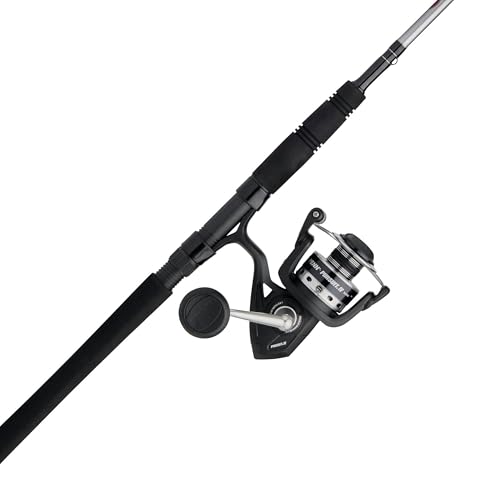
The PENN Pursuit IV 8’ Surf Spinning Combo is built for saltwater anglers seeking a reliable, two-piece graphite composite rod paired with a 5000-size reel. It emphasizes durability with 6 single-piece PENN Dura-Guides designed to minimize line fray. The setup is suited for mono and braid lines, making it versatile for offshore trips where long casts are common. The gear ratio of 5.6:1 delivers smooth, controlled retrieves, helping to manage heavier lures and bigger fish.
Ugly Stik GX2 Spinning Rod And Reel Combo

The Ugly Stik GX2 combo blends a 6’6″ one-piece rod with a 40-size reel designed for balanced handling and durability. The GX2 line offers corrosion resistance through a machined aluminum spool and a robust bail wire system, with a gear ratio around 5.2:1 for steady reeling. Its PVD-coated, one-piece stainless steel guides help reduce line fray, extending line life and maintaining sensitivity in challenging conditions. This setup is popular for inshore and nearshore species where reliability matters most.
Handing Cruiser Shadow SPJ Rod

The Handing Cruiser Shadow SPJ rod is engineered for slow-pitch jigging enthusiasts, offering refined control over jig movements. It features premium JAPAN Fuji K-series A-ring guides and a Fuji DPS/TCS reel seat for durability and comfort. The Toray 30+40T carbon fiber blank delivers a responsive feel with strong backbone, enabling precise, fluttering jig actions that attract bottom-dwelling game. This setup suits anglers who prioritize sensitivity and torque transfer in deep-water jigging.
SOLOKING Ocean Rose Slow Pitch Rod

The SOLOKING Ocean Rose is designed for saltwater slow-pitch jigging, using premium Toray carbon fiber to deliver high sensitivity with a strong backbone. Its construction aims to maximize strike detection while providing enough power to haul large offshore fish from structure. Fuji O-Style guides with Zirconium inserts resist salt spray corrosion, and the Fuji ACS reel seat secures reels firmly in place, ensuring consistent performance during long battles.
GOOFISH Blue Slow Pitch Jigging Rod

The GOOFISH Blue 6’6″ slow-pitch rod blends a solid blank with JAPAN Fuji K-series guide sets and A-ring components to withstand saltwater exposure. The rod is designed to manage jig weights in the 150–500g range and supports a robust dead lift rating for testing endurance, though real-world performance may exceed the stated rating due to water buoyancy and technique. The combination targets anglers pursuing powerful, fluttering jig actions to entice large reef dwellers.
Buying Guide: Key Considerations For Jigging Rods And Reels
To choose the best jigging setup for your needs, weigh these considerations:
- Rod action and length: Slow-pitch jigging benefits from moderate-fast actions and lengths between 6’–7′ to balance reach with control. Shorter rods offer quick response in tight spaces, while longer rods improve leverage offshore.
- Material and weight: Toray carbon fiber blanks provide sensitivity and strength, while graphite composites can keep weight down. Consider how the rod’s weight affects fatigue over long outings.
- Guides and reel seat: Fuji guides (K-series or O-series) and corrosion-resistant seats improve longevity in salty environments. A secure reel seat prevents stripping or wobble under heavy loads.
- Line compatibility: Decide between braided or monofilament lines. Braided lines offer sensitivity and longer casts but require careful knot and leader selection; monofilament is more forgiving for beginners.
- Reel compatibility and gear ratio: For jigging, a smoother gear ratio around 5.1:1 to 5.6:1 helps manage lures while maintaining torque for hard pulls. Ensure the reel size matches the rod’s tip sensitivity and line capacity.
- Durability and corrosion resistance: Saltwater exposure demands rust-resistant components, such as stainless steel guides and coated reels. Look for reels with sealed drag systems and reinforced frames.
- Portability: Two-piece designs aid transport and storage, but ensure joint integrity and sensitivity aren’t compromised. Field tests show well-made two-piece rods can perform nearly as well as one-piece counterparts.
- Budget and warranty: Reputable brands offer warranties and replacement parts. Balance upfront cost with anticipated use, especially if you fish frequently in offshore or wreck scenarios.
Across these options, anglers have choices ranging from budget-friendly combos to premium, feature-rich setups. When selecting, align your choice with your target species, typical water depths, and the jigging technique you plan to employ most often. The right combination should deliver reliable sensitivity, solid backbone, and long-term resilience in saltwater environments.