Maximize floor space and streamline workouts with horizontal weight plate storage designed for easy access and organization. This guide compares five popular options, highlighting portability, capacity, and construction so you can choose a rack that fits your gym layout and lifting style. Whether you’re building a new setup or reorganizing an existing area, these horizontal racks help keep plates off the floor and within reach for faster transitions between sets.
| Product | Brand | Key Benefit |
|---|---|---|
| Steelbody Horizontal Plate And Olympic Bar Rack Organizer | Steelbody Store | Mobile, versatile, holds up to 300 lbs |
| Yaheetech Horizontal Barbell Bumper Plate Rack | Yaheetech Store | Heavy-duty iron frame, four plate slots |
| 1PC Weight Plate Rack For Home Gym | CYBEOE Store | Modular, scalable with multiple units |
| Weight Plate Holder, Wall Mounted Rack | MIUONO Store | Space-saving wall mount, 330 lb per peg |
| MAUMI Wooden Weight Plate Rack | MAUMI | Sturdy wooden construction, easy access |
When selecting a horizontal weight plate storage solution, consider capacity, mobility, and how you plan to expand in the future. The right rack should blend with your space while making plate changes quick and safe. The following sections review five top options, including construction quality, load capacity, and design highlights to help you compare at a glance.
Steelbody Horizontal Plate Rack With Transport Wheels

The Steelbody rack features built-in transport wheels for easy movement around a home gym or training space, reducing needed lifting. It accommodates Olympic-sized weight plates and two Olympic bars, enabling quick plate changes during workouts. With a robust steel frame, this model supports up to 300 lbs of weights, keeping your training area organized and accessible. The low-profile design helps maintain a clean look while minimizing obstacle during movements.
Yaheetech Horizontal Barbell Bumper Plate Rack
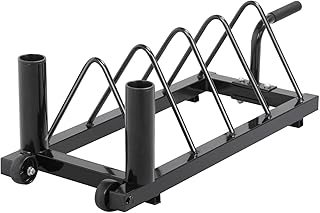
Yaheetech offers a sturdy iron frame with a powder-coated finish that resists sweat and oxidation, suitable for intense training environments. Equipped with four plate slots, it can hold standard weight plates up to 300 lb, reducing clutter on the floor. Its wheel-enabled design supports mobile use, letting you reposition the rack as your rack layout evolves. The 5.5-inch rack spacing helps keep plates organized without crowding, making it a practical solution for compact spaces.
1PC Weight Plate Rack For Home Gym

This single-piece rack is designed to be combined with additional units to create a broader storage system as your space grows. It accommodates different plate sizes and serves as a versatile holder for home or commercial gym setups. The modular approach supports scalable organization, enabling efficient transitions during workouts and easier reshuffling of equipment as routines change.
MIUONO Wall Mounted Weight Plate Holder

The MIUONO wall-mounted system saves floor space by elevating weight plates off the ground. Each peg supports up to 330 lb, with EVA padding to protect plates from abrasion and prevent scratches. The design focuses on quick access and organization while preserving a clean gym aesthetic, ideal for tight home gym corners or garages where wall space is abundant.
MAUMI Wooden Weight Plate Rack
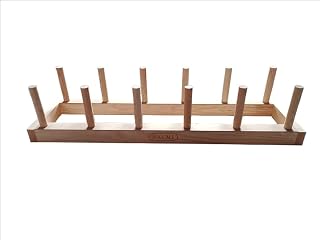
MAUMI offers a wooden weight plate rack that prioritizes sturdiness and style. This horizontal rack supports Olympic and bumper plates and provides easy plate access, contributing to a smooth workout flow. Its natural wooden construction blends with many home gym decors and delivers reliable storage for both standard and bumper plates in a compact footprint.
Buying Guide: Key Considerations For Horizontal Plate Storage
- Capacity: Determine your current plate collection and plan for future growth. Look for racks rated to handle at least 300 lb to cover most home gym needs, or higher if you train with heavy weights.
- Mobility vs. stability: If you have a multi-use space, wheels and a compact footprint are valuable. For fixed setups, wall-mounted or stationary units reduce tipping risks and maximize available floor area.
- Construction material: Steel frames are durable and suited for heavy use; wood offers aesthetic appeal but may require more care to prevent nicks. Powder coatings on metal prevent corrosion and wear from sweat.
- Plate compatibility: Ensure the rack accommodates the sizes and types you own (standard bumper plates, Olympic plates, etc.). Consider spacing to minimize plate contact and facilitate quick changes.
- Installation and space planning: Measure the intended footprint and doorways to ensure the rack fits. Wall-mounted options require stud space and proper anchors for safety.
- Flexibility: Modular systems that can be expanded with additional units or compatible accessories provide long-term value as your gym evolves.
- Protection: Look for anti-abrasion padding or protective ends to prevent scratching plates or floors during loading and unloading.
- Ease of maintenance: Smooth finishes, powder coatings, and simple assembly contribute to a low-maintenance rack with longer life.
Across these options, buyers should weigh the benefits of mobility, scale, and aesthetics against the practicality of installation and ongoing use. For smaller spaces, wall-mounted or modular systems may be preferable, while larger home gyms can benefit from mobile, shelf-style racks that optimize workflow. Durability, load capacity, and ease of plate access remain the core drivers for selecting the best horizontal weight plate storage solution.