Hanging upside down equipment offers a targeted approach to spinal decompression, core strengthening, and posture support. This guide compares top inversion devices and gravity boots to help American buyers choose safer, more effective gear for home use. From full inversion tables to compact boot systems, you’ll find options designed for varying heights, weights, and comfort needs. Read on to explore five high-performing products, their standout features, and practical purchasing considerations that influence long-term results.
| Product | Brand | Core Benefit | Notable Feature |
|---|---|---|---|
| Inversion Table | Teclor Store | Back decompression | Wider backrest and adjustable height |
| Gravity Boots | TEETER Store | Full-body inversion on the go | One-size-fits-most, portable design |
| Anti Gravity Boots | powerfeng Store | Inversion and core work | Heavy-duty hooks and safety lock |
| Wall Mounted Bar | BESTHLS Store | Upper body strength training | 2-in-1 pull-up and dip station |
| Anti Gravity Boots | Sutekus Store | Abdominal and core conditioning | Comfort padding and secure strap |
Choosing the right inversion setup depends on your space, comfort, and safety priorities. This article emphasizes credible construction, weight capacity, ease of use, and the range of motion supported by each system. Whether you aim for daily decompression, targeted abdominal workouts, or portable training with minimal setup, the options below cover a spectrum of needs without compromising safety.
Inversion Table With Comfortable Back Support

The Teclor inversion table combines a robust frame with a wider, longer backrest designed to support longer spinal decompression sessions. The 30.3-inch long backrest and 15.3-inch width offer ergonomic support during inversion, reducing pressure on the lower back. A safety belt adds an extra layer of security, helping users manage depth of inversion with confidence. An adjustable height range from 4’3″ to 6’5″ makes it suitable for a broad user base, while an extra-long handle enhances maneuverability and control during routine changes.
Key features include a substantial weight capacity, a straightforward height adjuster, and a comfortable ankle holder system. The design emphasizes stability and ease of use, allowing users to tailor the inversion angle gradually. For users seeking a dependable, stationary inversion experience at home, this model provides a balanced blend of comfort and safety without complicating setup.
Portable Gravity Boots For Inversion

Teeter EZ-Up Gravity Boots are designed for on-the-go inversion. Their ultra-light, portable design enables full inversion anywhere—home, gym, or travel. The boots support a wide range of users with a one-size-fits-most fit, typically accommodating most leg and ankle sizes around 16 inches in circumference. This versatility makes them a practical option for those who want to integrate inversion into varied workout environments. They pair well with decompression routines, dynamic stretching, and core-strengthening exercises, offering a compact solution without sacrificing the benefits of inversion therapy.
In practice, the boots support decompression of the spine and can enhance recovery when used before, during, or after workouts. The system is particularly appealing to active individuals who value a lightweight setup that travels easily, yet still delivers a meaningful inversion experience. Proper use involves ensuring the bar or support structure is compatible and secure, given the equipment relies on crossbar attachment for stability.
Anti Gravity Boots With Durable Safety Features
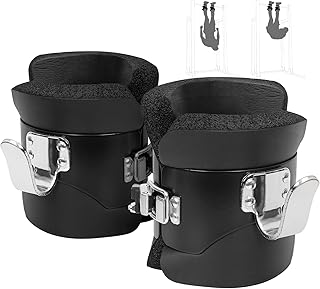
These Anti Gravity Boots emphasize robust materials and safety. Construction includes thick foam padding for comfort and a heavy-duty metal hook and safety lock to secure feet during inverted sessions. The product notes highlight the need for extra padding or thicker socks for thinner legs, ensuring that users can customize fit and comfort. The design is compatible with common pull-up crossbars, enabling versatile uses beyond inversion—supporting abdominal work and lower-back relief through controlled weight-bearing inversion.
With safety locks and sturdy hooks, the boots address core safety concerns during inversion, particularly for first-time users or those performing deeper angles. The emphasis on durable hardware and secure connections helps protect ankles and feet during routine exercises, while the foam padding reduces pressure on sensitive areas. Users should verify crossbar compatibility and follow installation instructions to maximize safety during workouts.
Wall Mounted Pull Up Bar And Dip Station

The BESTHLS wall-mounted setup combines a pull-up bar with a dip station, delivering a compact yet versatile option for upper-body work. Built from heavy-duty steel with square tubing, it supports up to 440 pounds and features high-density grips along with padded back and armrests. While not an inversion device itself, this unit complements inversion routines by enabling strength sets like pull-ups, chin-ups, leg raises, and dips that engage the back, shoulders, and core. The wall mount design helps optimize space in home gyms and provides a sturdy anchor for dynamic movements during inversions or post-inversion routines.
Users should assess wall compatibility, mounting hardware, and available space before installation. The equipment is designed for multiple exercises, making it a practical choice for households seeking a multi-functional, space-efficient solution for upper-body conditioning alongside inversion work.
Anti Gravity Inversion Boots For Core Training

Sutekus Anti Gravity Boots are designed to counteract gravitational pull during abdominal and core-focused workouts. The boots feature chrome-plated hooks capable of supporting substantial weight, with quick strap-lock systems for rapid adjustment. A notable 1.2-inch foam padding supports secure wear, while extra padding or thicker socks are suggested for slimmer legs to enhance security. This product targets users who want reliable inversion-oriented core training on a home setup, emphasizing comfort, security, and ease of use during varied angles of inversion and abdominal movements.
As a core-focused inversion option, these boots pair well with routines that emphasize sit-ups, leg raises, and controlled stretches. Proper alignment and secure fastening are essential to maximize safety, especially when performing dynamic exercises or deeper inversion angles. The design prioritizes user comfort and quick adjustment, enabling repeated sessions with minimal preparation time.
Buying Guide: Key Purchase Considerations
Inversion equipment requires careful evaluation of safety, fit, and intended use. Consider the following dimensions when selecting a product:
- Safety mechanisms: Look for secure ankle supports, locking pins, safety belts, and sturdy hooks. Reliable padding reduces pressure points during longer sessions.
- Weight capacity: Confirm the maximum user weight and how it relates to your body dimensions. Higher capacity models offer a margin of safety for progressive training.
- Adjustability: A broad height range and adaptable back support improve comfort for different users and inversion depths. Easy adjustments save setup time.
- Space and installation: Wall-mounted or freestanding options vary in space requirements and mounting complexity. Ensure there is adequate room for safe operation.
- Portability vs stability: Portable gravity boots are convenient for travel but may trade stability for convenience. Stationary inversion tables prioritize steady support.
- Comfort features: Foam padding, ankle holders, and backrests influence session duration and safety, especially for beginners.
- Compatibility: If pairing with other equipment (pull-up bars, dip stations), verify compatibility to maximize utility and avoid overloading structures.
Performance expectations differ by user intent. For decompression-focused routines, prioritize ergonomic backrests, secure belts, and a safe inversion angle range. For resistance and core work, select systems with stable mounting options and comfortable padding. When evaluating multiple products, weigh the long-term maintenance needs against upfront investment. Always follow manufacturer guidelines for assembly and use to reduce risk during inversion training.