Direct drive smart trainers offer precision power data, quiet operation, and a road-like feel. This article highlights five top options to help American riders choose a reliable trainer for Zwift, TrainerRoad, and other apps. Each profile covers performance, connectivity, and ease of setup to compare value and suitability for different bikes and spaces.
| Product | Brand | Key Strength |
|---|---|---|
| Garmin Tacx Neo 2T Smart Trainer | Garmin | Quiet, strong magnetic resistance, foldable |
| Saris H3 Direct Drive Smart Trainer | Saris | Ultra-quiet, +/-2% power accuracy, versatile hub compatibility |
| ThinkRider XXPRO Direct Drive Smart Bike Trainer (Black) | ThinkRider | Self-powered, high accuracy, downhill simulation |
| Tacx Flux S Direct Drive Smart Trainer | Tacx | Foldable option, wireless connectivity, included quick-release |
| Elite Suito-T Interactive Direct-Drive Trainer | ELITE SRL | Quiet, versatile compatibility, adjustable cassette setup |
Garmin Tacx Neo 2T Smart Trainer

- Material: metal, plastic
- Resistance: magnetic (32 Neodymium magnets)
- Foldable: yes
Garmin’s Tacx Neo 2T is a compact, direct-drive trainer designed for low noise and strong resistance response. It integrates smooth power transfer and a realistic ride feel, suitable for serious winter training indoors. Its foldable design helps when space is limited, and flexible compatibility with typical road bikes adds convenience for multi-bike homes.
Saris H3 Direct Drive Smart Trainer

- Ultra-quiet operation at common training speeds
- Precision power feedback with +/- 2% accuracy
- Seamless connectivity via dual ANT+ FE-C and Bluetooth FTMS
The Saris H3 emphasizes quiet performance and precise data with easy app integration. It is built to provide reliable workouts without distracting noise and supports multiple rear hub configurations. The combination of quiet operation and accurate metrics makes it a strong choice for focused interval sessions and structured training plans.
ThinkRider XXPRO Direct Drive Smart Bike Trainer Black

- Direct Motor Drive with ±1% data accuracy
- Self-power generation: operates without a power adapter
- Downhill simulation for realistic slope changes
ThinkRider’s XXPRO Black model features direct motor drive for tight control over resistance and a unique self-powered option. The ability to generate its own electricity can simplify setup in spaces with limited outlet access, while downhill simulation adds realism for varied terrain training and endurance sessions.
Tacx Flux S Direct Drive Smart Trainer

- Resistance: magnetic
- Foldable: no
- Wireless: ANT+ / Bluetooth, includes quick-release skewer and Tacx software
Tacx Flux S provides a sturdy direct-drive experience with wireless connectivity and practical accessories. It is designed for consistent power transfer and reliable compatibility with a range of bikes, with additional software support for an enhanced training routine and structured workouts.
Elite Suito-T Interactive Direct-Drive Trainer
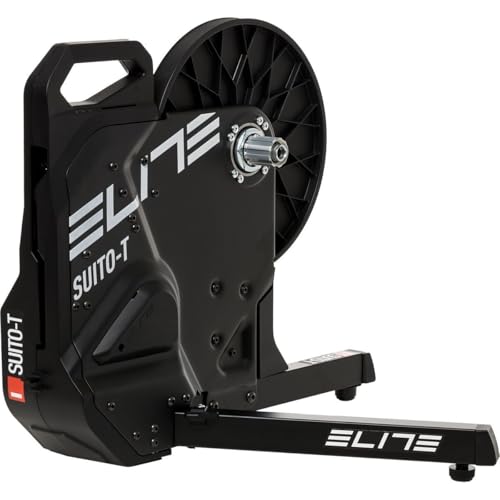
- Interactive direct-drive trainer with quiet operation
- Universal compatibility with road, gravel, and mountain bikes
- Adapters for various axle standards; option to ship without a sprocket cassette
Elite Suito-T combines quiet performance with broad bike compatibility and adaptable setup. It is designed for riders who want flexibility when swapping bikes or upgrading components, while preserving a realistic and smooth ride experience through robust power transfer and app integration.
Buying Guide
Key factors to consider when choosing a direct-drive smart trainer include noise level, power accuracy, and overall drive feel. For most users, a trainer that operates quietly (below typical household noise levels) enhances the indoor training experience and minimizes disruption. Power accuracy around ±1–±2% is preferred for consistent pacing and interval workouts, particularly when training for precision targets.
Connectivity matters: look for ANT+ FE-C and Bluetooth FTMS compatibility to ensure broad app support (Zwift, TrainerRoad, Rouvy, etc.) and reliable data transfer. Wheel-on vs. direct-drive options differ in setup complexity and ride realism; direct-drive generally offers better precision and less tire wear, while wheel-on models may be more budget-friendly.
Compatibility with your bike is essential. Check axle standards (thru-axle vs. quick-release), cassette options, and whether adapters are included. Some trainers ship without a cassette so you can install your preferred model, which can save money and optimize drivetrain performance over the long term.
Space and portability can influence the decision. Foldable designs or compact footprints help in smaller living spaces or when you need to relocate the setup. If you travel often or have a shared workspace, consider a trainer with a lightweight frame and easy storage.
Reliability and software support are also important. Trainers with robust software ecosystems and regular firmware updates tend to deliver longer-term value and better integration with training plans and virtual riding apps.