Backcountry skiing demands gear that blends strength, adjustability, and reliable ergonomics. The following five poles are well-suited for varied terrains, from steep bootpacks to long ascents. Each option emphasizes lightweight construction, secure locking mechanisms, and comfortable grips to support all-day climbs. Use this guide to compare performance traits and choose the best match for your backcountry adventures.
| Product | Brand | Adjustability | Material |
|---|---|---|---|
| MSR DynaLock Trail 2-Section Aluminum Backcountry Poles | MSR Store | 80-140 cm | Aluminum |
| LEKI Haute Route 2 Aluminum Adjustable Poles | LEKI Store | 110-150 cm | Aluminum |
| LEKI Helicon Lite Aluminum Adjustable Poles | LEKI Store | 110-145 cm | Aluminum |
| MSR DynaLock Explore 3-Section Aluminum Poles | MSR Store | Adjustable, up to 40 cm | Aluminum |
| Backcountry Access Scepter 4S | K2 Store | 110-130 cm | Aluminum |
When choosing backcountry ski poles, key factors include adjustability range, locking mechanism reliability, grip comfort, and overall weight. The models below cover a spectrum from lightweight trekking grips to robust, feature-rich designs. Read on to explore each option’s strengths and how they align with different backcountry goals.
MSR DynaLock Trail 2-Section Poles
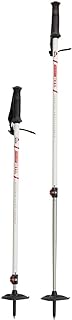
The MSR DynaLock Trail poles are built for rugged backcountry use with a high-strength aluminum construction designed to withstand demanding snow conditions. A key feature is the DynaLock mechanism, which provides tool-free tension adjustment and quick, secure length changes as you switch from ascent to descent. The ergonomic molded grip enhances all-day comfort, reducing fatigue during long climbs. With an adjustable range of 80 to 140 cm, these poles accommodate skiers of various heights and terrain demands, making them a solid all-around option for season-long trips.
Beyond adjustment, the DynaLock Trail poles emphasize durability and straightforward usability. The aluminum build scales well with rough trails and coarse snow, while the lock system helps maintain stability even under variable loading. For backcountry enthusiasts who prioritize dependable performance and easy maintenance, these poles offer a balanced mix of strength and simplicity. The ergonomic grip supports an optimal grip position, whether you’re power-poling on a steep bootpack or easing into a long, rolling descent.
LEKI Haute Route 2 Aluminum Poles

The LEKI Haute Route model emphasizes extensive adjustability and travel-friendly design. With a substantial 110–150 cm range, these two-piece touring poles are engineered to adapt to a wide array of backcountry scenarios. The grip setup features an ultralight, ergonomic trekking grip paired with a foam extension, enabling skiers to choke down on the pole during steep bootpacks for improved leverage. The combination of lightweight feel and secure locking supports prolonged ascents, while the broad adjustability helps accommodate differences in snow conditions and terrain grade.
In practice, the Haute Route poles balance weight and performance for long days of backcountry travel. The grip geometry and extension allow precise control when navigating switchbacks or traverses. For skiers who require a versatile pole that handles both uphill climbs and steep, technical sections, this model provides a compelling blend of comfort and flexibility without sacrificing durability.
LEKI Helicon Lite Aluminum Poles

The Helicon Lite model is designed specifically for backcountry touring, focusing on lightness and convenience. The poles offer a 110–145 cm adjustment range secured by LEKI’s Speed Lock Plus mechanism, which provides a reliable lock with quick, tools-free adjustments. The extended foam grip supports secure handling through technical sections and switchbacks, enhancing control when balance is critical. The durable aluminum construction ensures resilience against field wear and tear, making these poles suitable for frequent, demanding use on variable terrain.
For skiers who value a lighter setup without compromising strength, Helicon Lite presents a favorable option. The ergonomic grip and secure locking system reduce fatigue during long ascents while preserving performance on steep, exposed sections. They are well-suited for enthusiasts who frequently change altitude and need reliable, repeatable adjustments mid-trip.
MSR DynaLock Explore 3-Section Poles

The DynaLock Explore represents a higher-availability option with a three-section design that offers robust length flexibility while maintaining a lower overall weight. The poles utilize full aluminum construction with high-strength 7075 aluminum lower sections, reinforcing durability for demanding backcountry routes. The DynaLock tension system allows quick length adjustments up to 40 cm, letting you tailor reach for ascents or descents without breaking rhythm. EVA foam grips provide lightweight comfort, complemented by an extended lower grip for multiple hand placements during varied terrain, such as long traverses or repetitive, deep snow climbs.
This model suits riders who navigate a mix of steep ascents and long flats, where a compact, easily stowed pole is advantageous. The combination of a reliable locking mechanism and expansive adjustability makes the DynaLock Explore a practical choice for guided tours and solo expeditions alike, especially when conditions shift between powder and firmer snow.
Backcountry Access Scepter 4S

The Scepter 4S poles from Backcountry Access deliver a straightforward aluminum design with reliable length adjustment. Built around a 7075 aluminum shaft, these poles emphasize durability for backcountry routines that include rugged ascents and variable snow. The adjustable length is specified as 110–130 cm, with a collapsed length of 43 cm for compact packing and transport. While more minimal in features than some competition, the Scepter 4S provides dependable performance, a balance of weight and strength, and simple operation, which can be appealing for backcountry skiers who prefer a no-fruss setup that still performs reliably in mixed terrain.
For backcountry users who value a practical, no-nonsense option, the Scepter 4S offers solid grip and consistency across a range of snowy conditions. Its durability and compact carry profile are advantageous for those on day trips or extended expeditions where gear simplicity and resilience matter as much as weight savings.
Buying Guide: Key Purchase Considerations For Backcountry Ski Poles
- Adjustability Range: Frequent ascents demand poles with a broad length range to accommodate users of different heights and to optimize leverage during steep climbs. Look for models offering at least 110 cm minimum and up to 150 cm maximum for versatile performance.
- Locking Mechanisms: Tool-free systems like DynaLock or Speed Lock Plus are favored in backcountry settings for rapid length changes with gloves. Prioritize locks that feel secure and easy to engage with cold fingers.
- Weight Versus Strength: Aluminum poles strike a balance between durability and weight. Some backcountry enthusiasts may prefer lighter models with extended grips for technical terrains, while others prioritize stiffness and stability on hardpack or frozen snow.
- Grip Design: Ergonomic grips with extension options can reduce hand fatigue during long ascents. Foam grips and extended grips help with control on steep bootpacks and icy sections.
- Grip Positioning and Hand Placements: Upper grips for normal use and lower grips for extended grip scenarios provide multiple hand positions, improving balance on varied terrain.
- Section Count: Two-section poles are common and lightweight, while three-section designs offer compact storage but may slightly affect stiffness. Consider how often you must pack or store poles during trips.
- Durability and Materials: High-grade aluminum shafts (e.g., 7075) tend to offer superior stiffness and fatigue resistance, particularly important when traversing rocky or icy routes.
- Terrain Compatibility: If you frequently switch between powder, hardpack, and mixed terrain, seek poles with adjustable lengths that maintain stability across conditions and provide reliable grip under different snow densities.
In sum, the right backcountry ski poles depend on your itinerary, preferred grip style, and how you value adjustability versus weight. The options above emphasize durable aluminum construction, secure locking systems, and ergonomic grips designed for long days on the snow. For many skiers, a mid-weight, highly adjustable model with a comfortable grip provides the best balance of performance and reliability for varied backcountry expeditions.